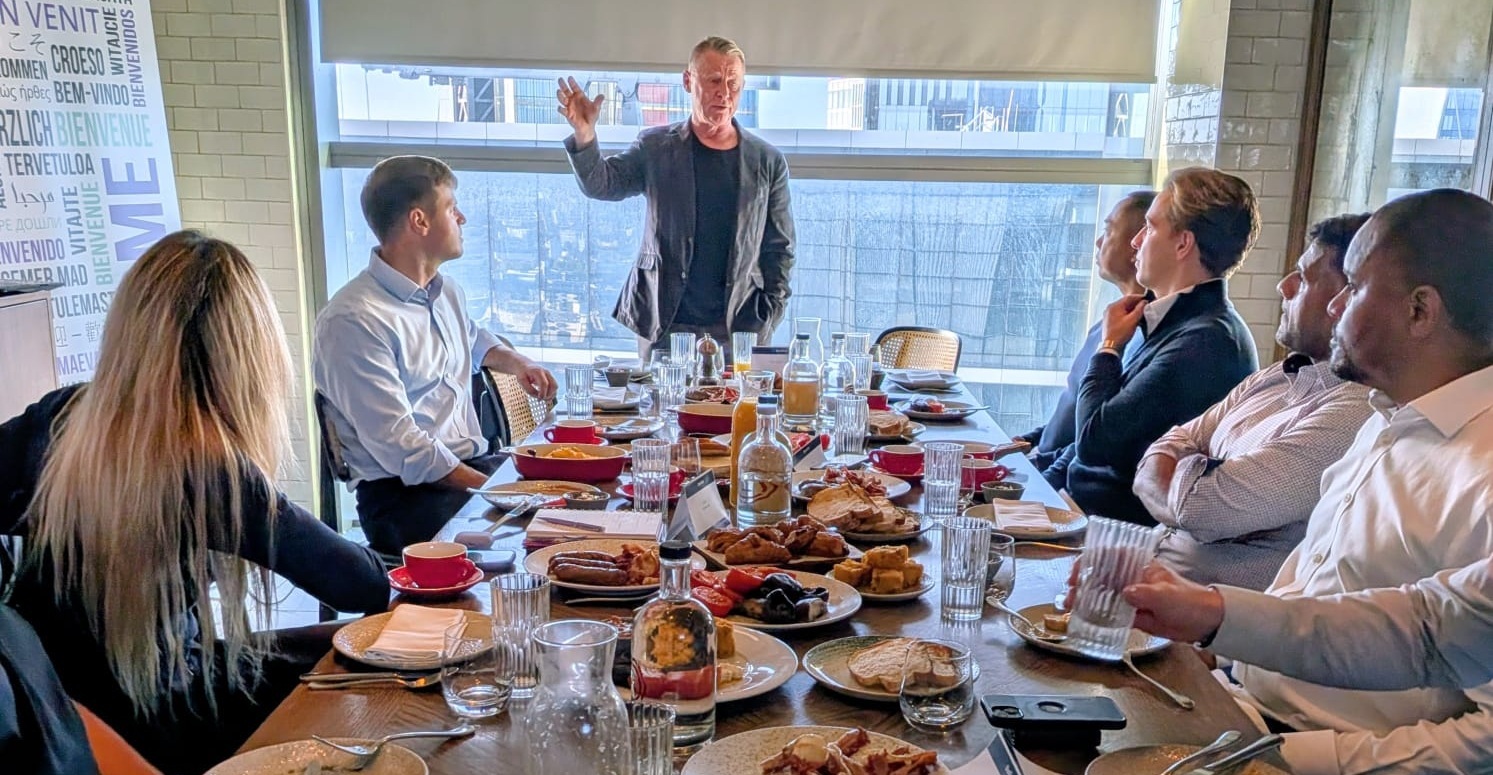


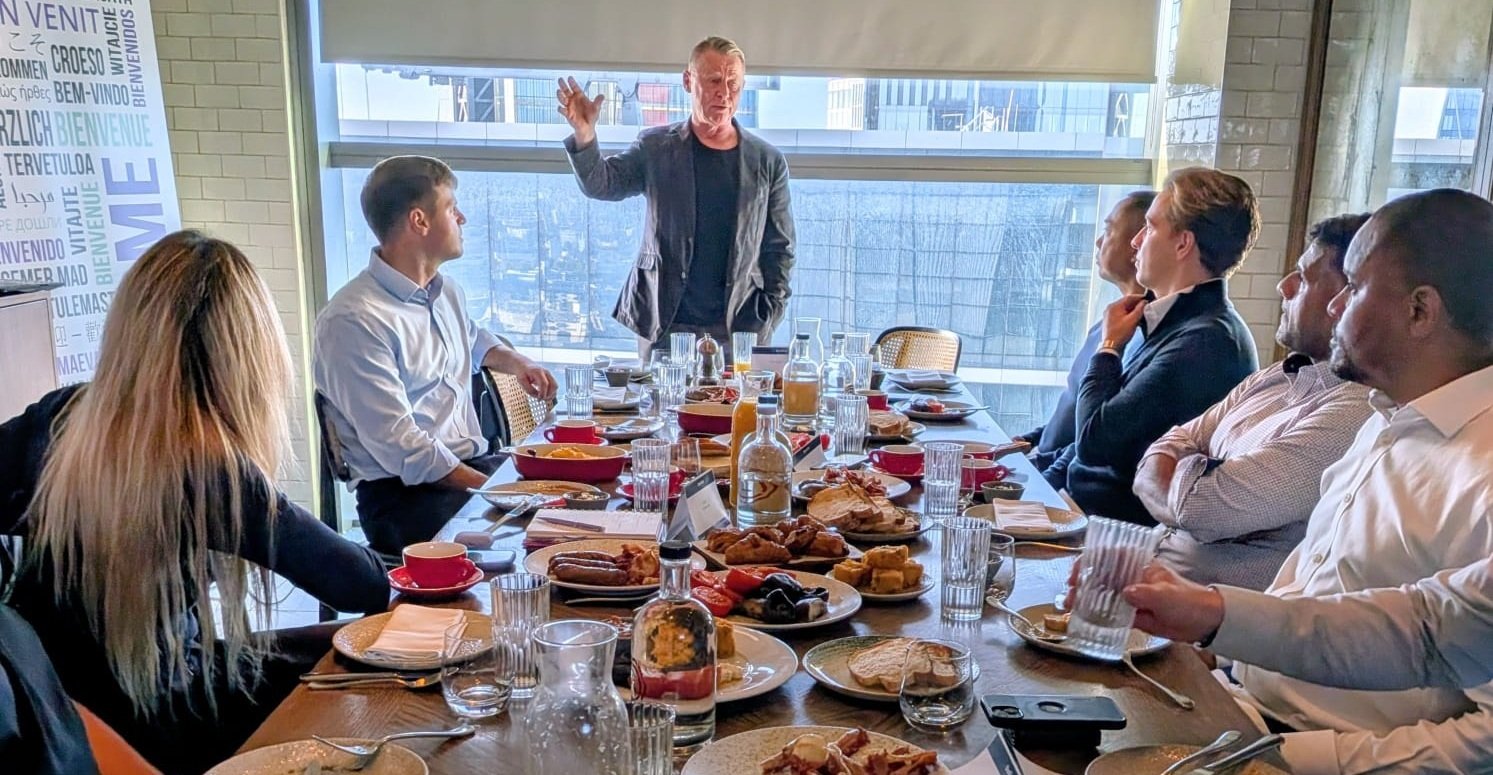
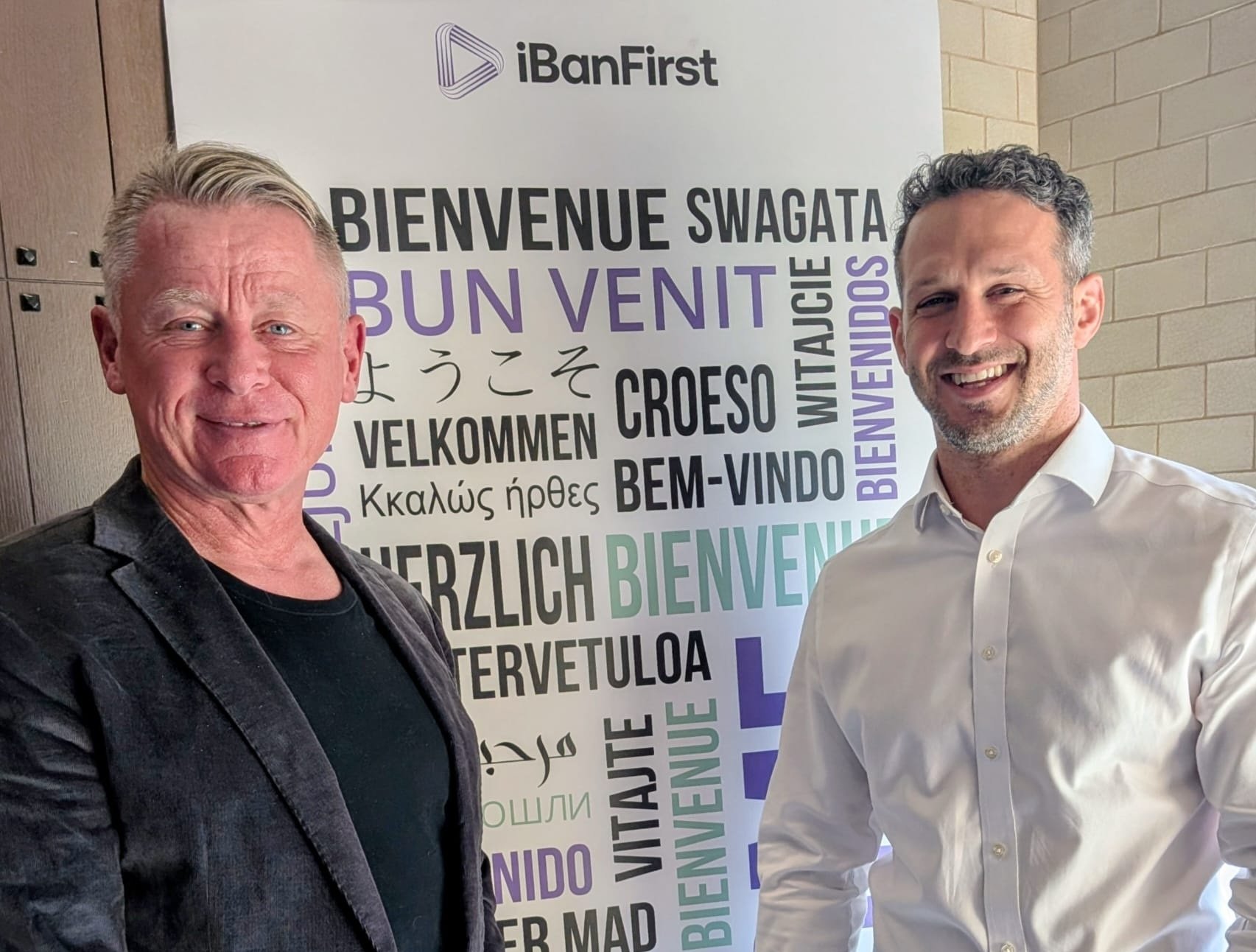
When we invited a group of our UK clients to breakfast at Duck & Waffle in London this month, the obvious choice of speaker would have been an economist. Instead, we asked polar explorer Alan Chambers MBE to tell us how he led the first British team to walk unsupported to the North Pole from Canada.
It was the right call. Alan’s story is one of the best lessons in planning under uncertainty, and for businesses trying to grow into new regions from a fiercely competitive UK market, most of it translates directly.
Question what everyone else is carrying
Alan spent five years reading the reports of every team that had tried and failed to reach the North Pole unsupported from Canada, and found that nothing had changed in 25 years. Each person was still dragging a sledge of around 400lb, which he found in training was close to impossible. One well-known explorer failed twice with a NASA-built sledge that weighed 50lb empty, blaming the weight both times.
Alan’s team had their sledge built in a shed in Gloucester. It weighed 9lb. They also swapped the high-fat diet explorers had relied on for 150 years for a high-carb one, and started 144lb lighter than anyone expected. On the ice, every night ended with one more idea to lighten the load.
One night they cut every other bristle off their toothbrushes. Alan was clear it wasn’t about the milligrams. It was about not letting the team stop questioning what they were carrying, even when all they wanted to do was eat and sleep.
Plenty of UK businesses handle international payments the way they always have, often with the same provider for decades, without checking what it actually costs them. Margins buried in exchange rates, slow payments and manual processes are the business version of a 50lb empty sledge. They don’t stop you moving, but they make every mile harder.
Set targets for the conditions you’re actually in
Alan’s research showed most expeditions failed in the first ten days. Teams set the same daily distance on day one as on day 59, missed it and lost belief. So he broke the journey into seven stages and made the first one deliberately small, just 11 miles in 11 days. Critics thought it was a waste of time. The team finished it in seven days and moved on ahead of schedule.
New markets work the same way. The first months in a new region are when everything is unfamiliar, from local payment systems to how quickly suppliers expect to be paid. Plans that assume full speed from day one tend to break early.
Make the big decisions before you’re under pressure
Below -30°C, Alan explained, people think differently and small problems feel huge. So his team made their key decisions in advance, in the office over tea and biscuits, and agreed to stick to them on the ice. One was to throw away any unused food if they reached a stage early. On a trip with no resupply, that sounds reckless. But as Alan put it, “If you have a what-if attitude, it just means that you don’t really have a strategy.”
This is the clearest link to FX. Currency markets move overnight, and when they move sharply, the instinct is to freeze or react. The businesses that handle volatility best have usually agreed, in calm conditions, how much currency risk they’re prepared to carry and what they’ll do when rates move, such as how much of their future foreign currency spend to lock in at a fixed rate. Then they stick to it. Alan calls it a warm brain decision.
When you’re knocked off course, get your bearings first
Late in the trip, Alan and his teammate woke to find their camp drifting towards Greenland on a slab of slushy ice. When it finally rejoined solid ice, they realised it put them many miles further away from their original target. They resisted the urge to push on. They put the kettle on and worked out exactly where they were, then built a new plan, because the route they’d spent five years on no longer applied.
A sharp currency move can do the same to an expansion plan. Taking stock before you react is usually cheaper.
Pick people for attitude
Four hours before they flew, Alan dropped a team member. It wasn’t about fitness or skill, it was behaviour. A poor navigator could be coached, he said, but he couldn’t change selfishness in a person in four hours. He’d also chosen a complete novice over a highly qualified ski instructor, because while the latter had already achieved the heights, the novice was still willing to learn. That novice was the one standing next to him at the Pole, after the mission was a success.
Whether it’s your team in a new market or the partners you rely on to move money there, attitude counts for as much as experience when conditions get hard.
The goal stays the same
By the end, Alan reckons they were on their tenth or twelfth plan, after two evacuations of other team members, a 21-day whiteout and rations of 250 calories a day. They still made it, although they walked straight past the Pole the first time and had to turn back due to the GPS failure.
Since then, he’s been to the North Pole 16 times and never got there on Plan A, B, C or D. As he put it, “No one cares how you get from point A to point B. All they ask you is, did you make it?”
For UK businesses going after growth abroad, that’s a fair rule to work by. Keep the goal fixed, keep questioning what you’re carrying, and expect the route to change.
Want to make your own warm brain decisions about currency risk? Find out how iBanFirst helps businesses manage FX risk.